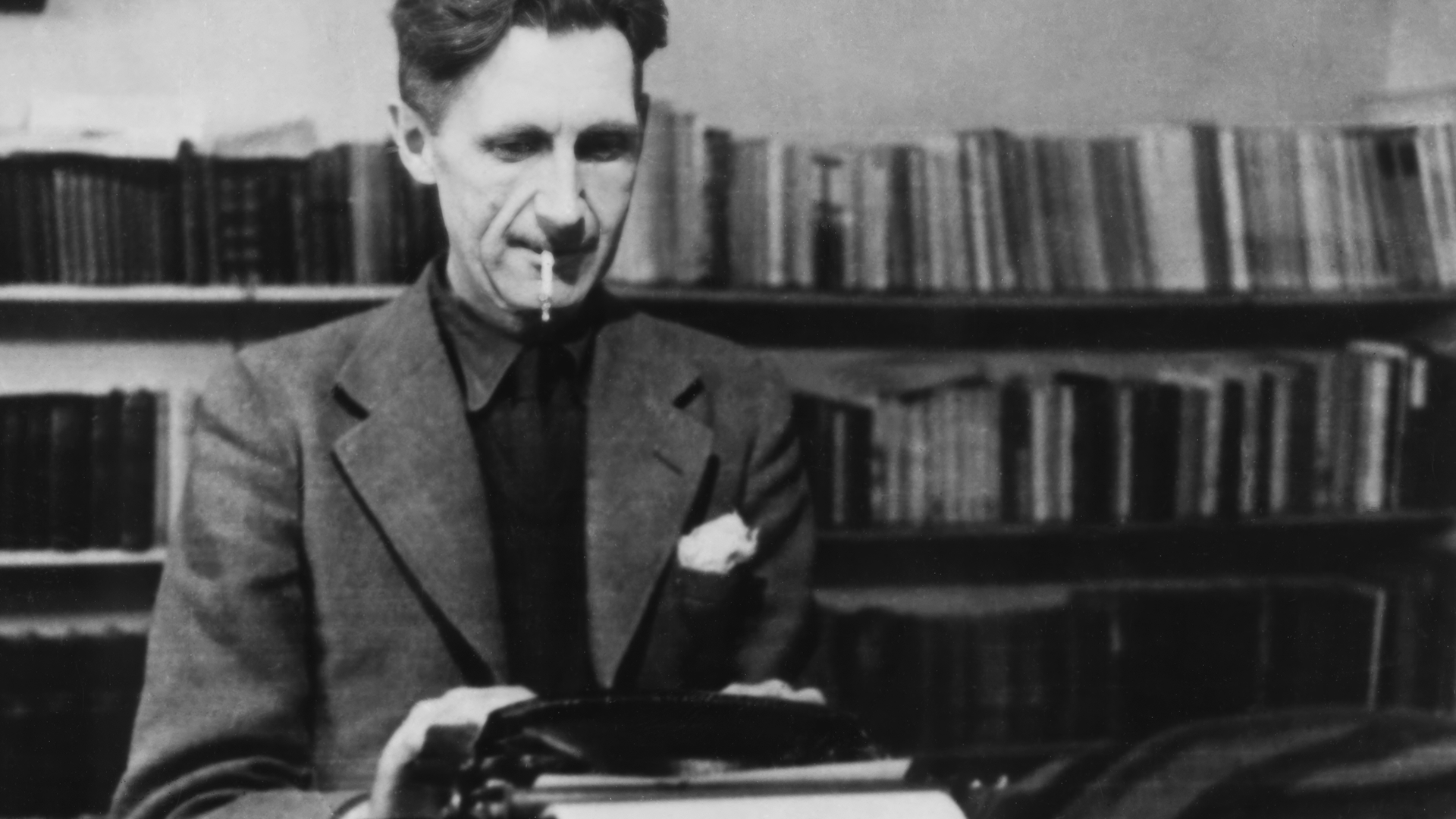
Written and directed by Raoul Peck, Orwell: 2+2=5 is a documentary that feels less like a historical portrait and more like a klaxon sounding across the present day. The film is anchored in the final years of Eric Arthur Blair (better known to the world as George Orwell) as he battles tuberculosis while writing 1984 in Hairmyres Hospital near Glasgow and later on the remote Isle of Jura.
From the opening moments, the documentary makes clear that Orwell’s warnings were not abstract literary exercises but urgent attempts to expose “some lie I want to expose … a fact I want to draw attention to,” as the voiceover reflects. That voice, provided with crisp, weary gravitas by Damian Lewis, draws from Orwell’s diaries and letters, grounding the documentary in the author’s own anxieties, contradictions and convictions.
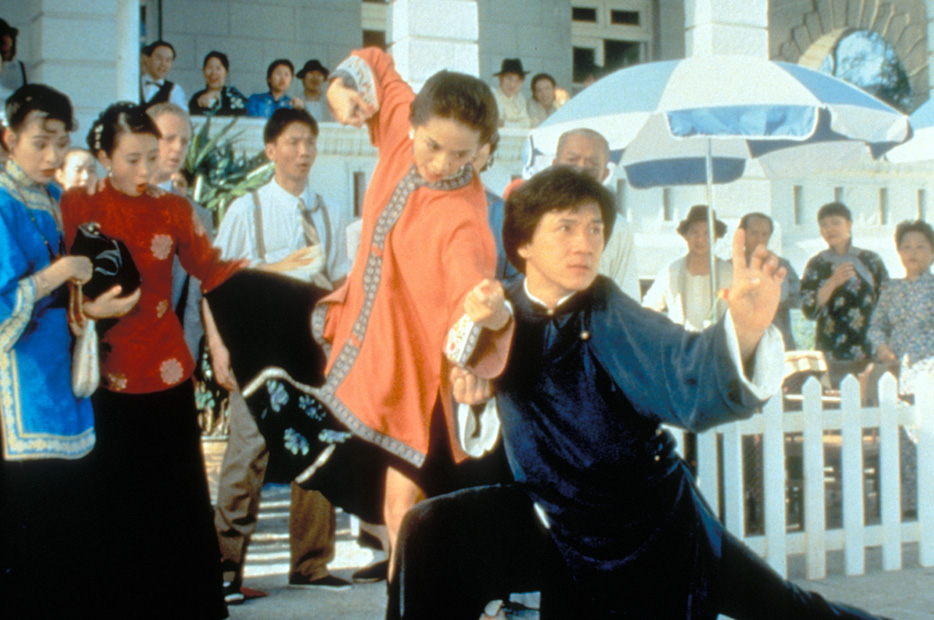
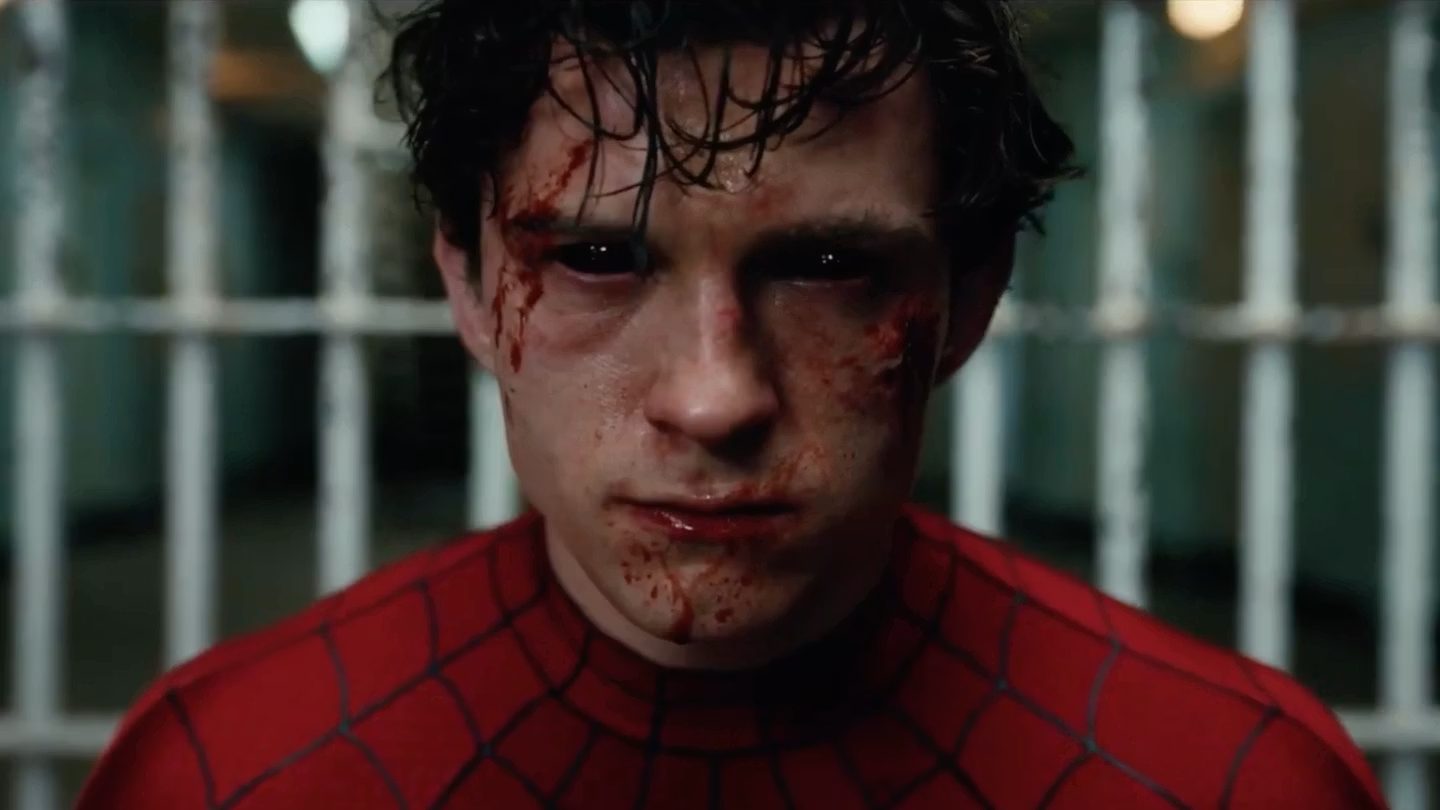
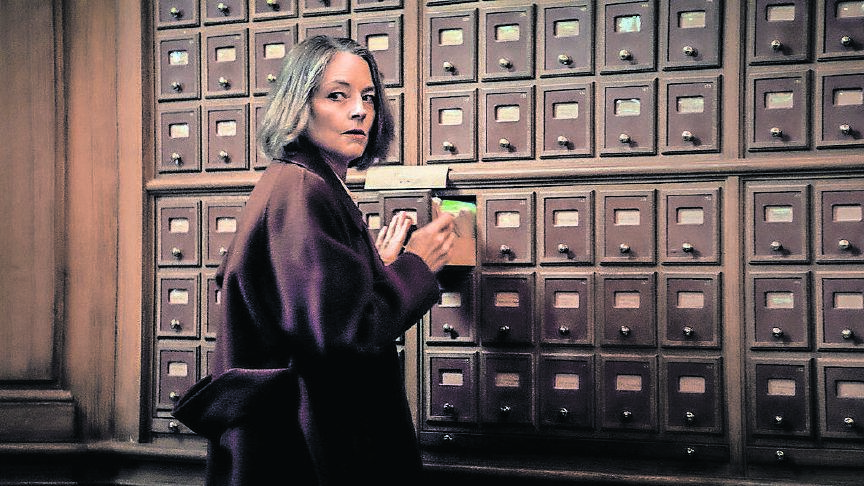
Peck interlaces these readings with a collage of imagery: clips from various film adaptations of 1984, archival newsreels and contemporary footage that often feels indistinguishable from Orwell’s dystopia. The effect is unsettling. When the voiceover notes, “The opinion that art should have nothing to do with politics is, itself, a political attitude,” Peck seems to be speaking directly to the viewer, challenging any comfortable distance between Orwell’s world and our own.

A recurring motif is the rogues’ gallery of totalitarian leaders – past and present – whose rhetoric echoes the euphemistic brutality of 1984. Peck moves briskly across Nazi Germany, Russia, Hungary, Myanmar, Uganda, the Philippines, Chile and beyond, highlighting phrases such as “peacekeeping operations,” “strategic bombings,” and “clearance operations.” These are the modern equivalents of Newspeak: language engineered to sanitise violence and obscure accountability. The documentary’s most jarring juxtaposition comes with footage of the January 6 riots in Washington, D.C., where scenes of chaos and destruction are paired with audio of Donald Trump praising the crowd as “great people” and marvelling at “the love in the air.” Peck doesn’t editorialise; he simply places the words beside the images and lets the contradiction speak for itself.
The film is equally sharp in its examination of how news media and social platforms shape public consciousness. A montage of Trump’s increasingly hyperbolic social media posts illustrates how easily misinformation spreads when outrage becomes currency. The documentary also highlights the alarming rise in book bans across the United States, noting that 3,364 titles have been removed from school libraries, disproportionately affecting authors of colour and LGBTQ+ narratives. It’s a chilling reminder of how censorship often begins with the stories deemed too inconvenient for those in power.
Peck also explores Orwell’s own complicated relationship with class. Though raised in a comfortable middle‑class environment, Orwell felt a deep affinity for the working poor, even as he acknowledged the limits of his understanding. The film uses this tension to underscore a broader point: that empathy requires effort and that systems of inequality thrive when people are discouraged from looking too closely at the suffering of others.
Surveillance, both state‑sanctioned and commercially driven, forms another of the documentary’s central threads. Peck draws a direct line from Orwell’s Big Brother to today’s AI‑driven monitoring systems, ubiquitous CCTV and algorithmic profiling. One sociologist interviewed in the film warns of “algorithms to watch us, judge us and nudge us,” a phrase that lands with particular force. The documentary argues that these technologies, often marketed as tools of safety or convenience, can just as easily become mechanisms of control.

As the voiceover observes, to maintain the status quo, those in power must prevent the public from “becoming too intelligent.” The film illustrates how this is achieved: through manipulated images, relentless news cycles, deepfakes, propaganda and the theatrical bluster of politicians who rely on distraction as a governing strategy. “Political language is designed to make lies sound truthful and murder respectable,” the voiceover intones, and Peck shows how contemporary discourse continues to prove Orwell right.
The documentary also examines the widening gulf between rich and poor, and how a small elite of political leaders, tech giants and media conglomerates exerts disproportionate influence over the information we consume and the choices we believe we are freely making. Orwell’s warning that “totalitarianism, if not fought against, could triumph anywhere” is presented not as a relic of the Cold War but as a diagnosis of the present. Western democracies, Peck suggests, are not immune; the rise of far‑right movements across Europe and the United States demonstrates how fragile democratic norms can be. Yet the film does not surrender to despair. It insists that there is power in collective resistance, in refusing to accept the erosion of truth as inevitable.
By the time the credits roll, Orwell: 2+2=5 leaves the viewer with a lingering unease (and perhaps a desire to retreat to an isolated island, far from notifications, news alerts and the noise of public life). But Peck’s film argues that disengagement is precisely what allows authoritarianism to flourish. Instead, he invites us to confront the contradictions of our world with the clarity Orwell fought for until his final days.
The result is a documentary that is urgent, incisive and deeply disquieting – a reminder that the dystopia Orwell imagined was never meant to be a prophecy or a guidebook, but a warning.
Orwell: 2 + 2 = 5 is screening at the Glasgow Film Festival and will be in UK cinemas from March 27.

- Pressure – Review - September 12, 2026
- Backrooms – Review - May 31, 2026
- Obsession – Review - May 25, 2026