Stroma Cairns’s debut feature The Son and The Sea is a quietly affecting coming‑of‑age drama that unfolds with the patience of a tide rolling in. Set against the rugged beauty of the Scottish coastline, the film traces the emotional journeys of a group of young men whose lives intersect in ways both tender and turbulent. What emerges is a portrait of masculinity that is raw, vulnerable and refreshingly unvarnished.
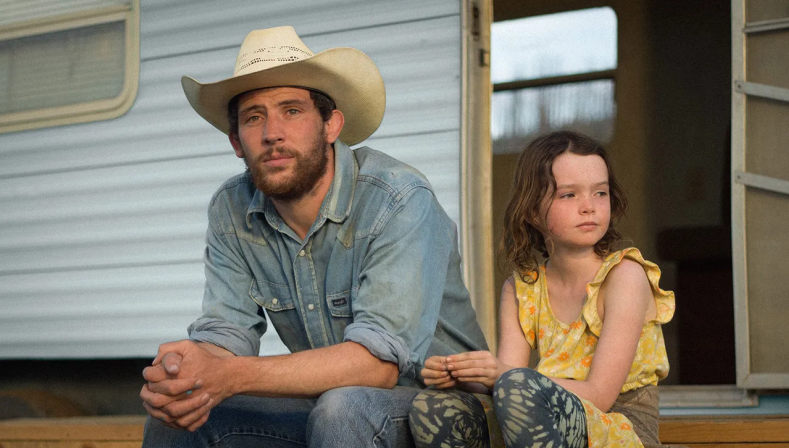
At the centre of the film is Jonah, played by Jonah West. Escaping London for the harbour town of Pennan, Jonah finds himself caught between the weight of unresolved family tensions and the pull of old friendships. His relationship with Lee (Stanley Brock), a childhood friend, forms one of the film’s emotional anchors. Their bond is lived‑in and complicated, marked by unspoken affection and the kind of petty conflicts that can suddenly flare into something deeper. Their dynamic captures the contradictions of male friendship – loyalty and resentment, closeness and distance – without ever tipping into melodrama.
The story expands when Jonah and Lee meet Charlie and Luke, two local deaf boys whose presence shifts the emotional landscape of the group. Cairns handles these interactions with remarkable sensitivity, allowing communication to unfold through gesture, patience, and shared experience rather than exposition. The film resists framing deafness as a narrative device; instead, it becomes part of the film’s broader exploration of how people connect when words fail or fall short. The friendship that develops within the group feels organic, adding a layer of emotional resonance that elevates the film beyond familiar coming‑of‑age tropes.

Cairns’s script, co‑written with Imogen West, leans into the quiet spaces between characters. Much of the film’s emotional power comes from what remains unsaid: a glance held too long, a silence that stretches, a moment of hesitation before a confession that never arrives. This restraint gives the film a contemplative rhythm, one that may challenge viewers expecting a more conventional narrative drive. But you do have to be willing to settle into its pace; for some this will be a frustrating, relatively unstructured watch.
Perhaps the film’s greatest strength lies in its performances, with most of the actors making their debut, here. West brings a raw, almost fragile energy to Jonah, revealing layers of defensiveness, longing and unexpected warmth. Connor Tompkins’s portrayal of Charlie is equally compelling, balancing charisma with a volatility that hints at deeper wounds. Together, the ensemble creates a sense of authenticity that makes the uneven pacing feel worth sticking with.
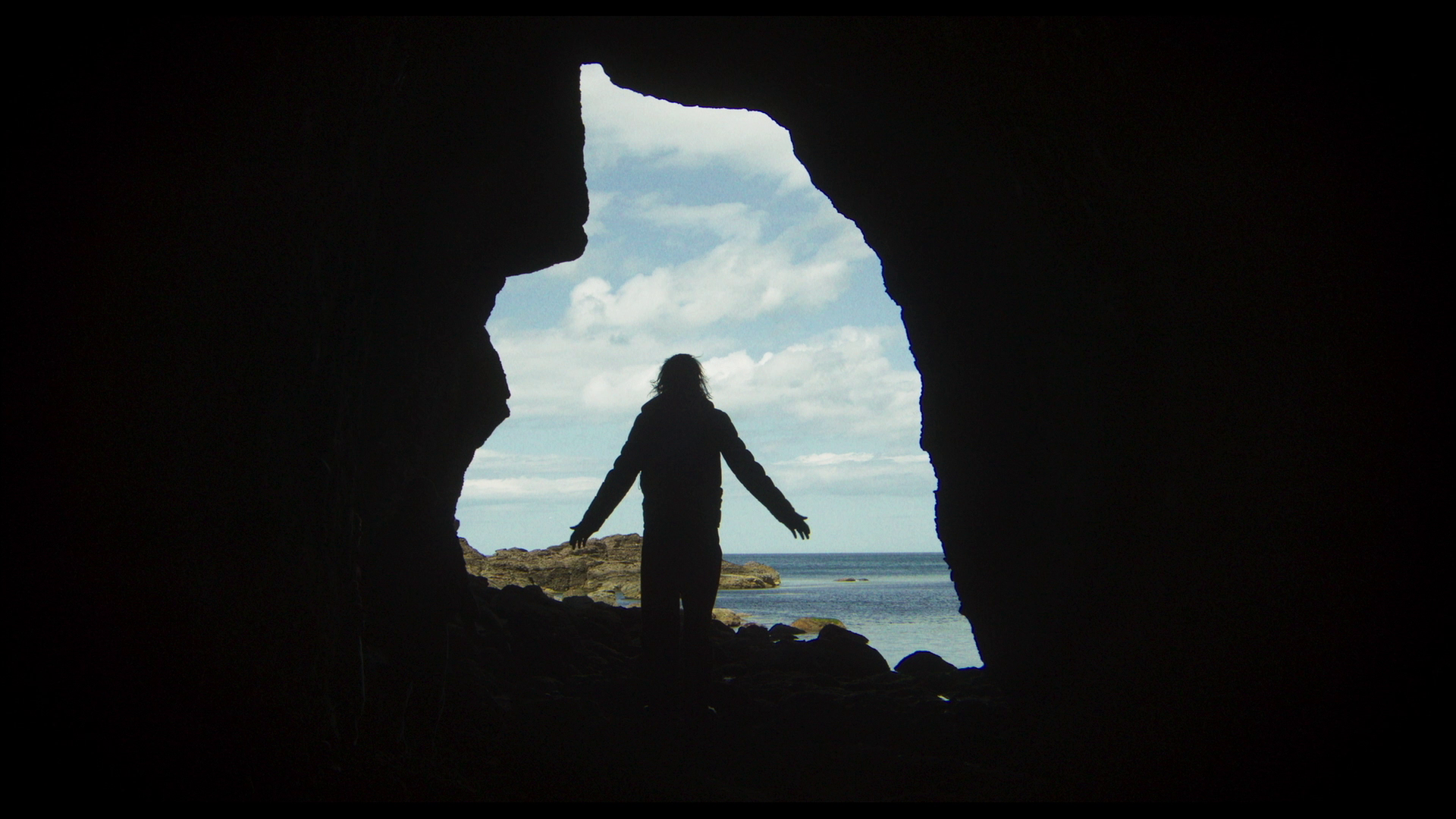
The film’s visual language plays a crucial role in shaping its atmosphere. The Scottish coastal town seems forgotten; somewhere to pass through. “Everywhere here is dead!” Jonah exclaims in exasperation. Waves crash against jagged rocks, wind gusts violently through houses, gulls wheel overhead and the horizon seems to stretch endlessly. The landscape becomes a character in its own right, holding their secrets, fears, and fleeting joys. Cairns and her cinematography team make excellent use of shadows and silhouettes, creating images that feel both intimate and expansive.

What sets The Son and The Sea apart from many films about adolescence is its refusal to tidy up its characters’ lives. Each boy has his own arc, but not every story reaches a neat resolution. Jonah’s struggle to reconcile with his past, Charlie’s simmering anger, Lee’s quiet longing – these threads remain open, mirroring the messiness of real life. Cairns frequently highlights the emotional suppression in these young men, underlining how vulnerability is often inherited, avoided or quietly resisted.
This is not a film that clamours for attention. It doesn’t rely on dramatic twists or grand emotional declarations. Instead, it invites viewers into a world where growth happens in quiet moments: on windswept cliffs, in hesitant conversations, in the spaces between people learning how to reach one another. It is a film that whispers rather than shouts.
In its stillness, its honesty, and its deep compassion for its characters, The Son and The Sea marks an impressive debut for Stroma Cairns. Whilst it does, at times, seem to struggle narratively, it offers up strong performances and quietly inspiring messaging about self-discovery and forging connections.
The Son and The Sea is screening at the Glasgow Film Festival. Get your tickets here.

- Pressure – Review - September 12, 2026
- Backrooms – Review - May 31, 2026
- Obsession – Review - May 25, 2026